Tutoring and Learning Center for K-12th grade kids in math, reading, writing and science. We are partnered with The Princeton Review to provide SAT exam prep classes. We offer ABC Music and Me powered by Kindermusik for the pre-schoolers. We are your all encompassing learning center. Athena, Where Learning is Within Reach
It's Friday fun day! Just a little something to get you in the mood for the weekend. Any teachers out there feel this way? Probably a majority of them at one time or another, am I right? Hang in there teachers! It's almost summer!!!
Here are some free math ideas to keep those young minds sharp. Nothing sparks learning in a child's mind faster than having fun while being taught new ideas or re-enforcing already learned concepts. It's good to take advantage of holidays to incorporate not only the occasion but learning opportunities as well. Here at Athena Learning Centers, one of our tutoring concept motto's is Always Be Learning!
Ignite the math spark in your classroom with these activities for math that are Easter and spring themed . Students enjoy sorting, graphing, adding, ordering, journaling and more since many of these math activities have a free download. With this range of inspiring ideas, your primary mathematicians will definitely enjoy the colors of spring as they work on building their math skills.
What’s your spring or Easter math idea? We’d love to have you share your tip, free download or tutorial. Be sure to share it with teachers in the Teach Junkie community and I’ll see that it gets organized into the place where you’ll get the most spotlight. Plus, I feature lots of ideas like yours in a goodie bag post. Don’t you just love how sharing and generous teacher are? Find more free downloads that are just as fantastic!
Our kids are under a lot of pressure these days to perform. This can lead to a high amount of anxiety right before a major school test which can impact how they do on the test. Here are a couple easy to do exercises that will greatly reduce their worries and help in their test taking.
Expert Annie Murphy Paul shares two techniques where kids put pen to paper and scribble their worries away.
Out of the favorite times of the year, Christmas is usually tops on everyone's list. Social media has a love affair with Christmas time as well, especially cute animal holiday pictures. Not to be outdone, enjoy one of the cuter ones I've come across.
Combine education with fun and you have a winning combination! Here's a few ideas on getting creative with Halloween. Some of these might even make your kids scary smart!
How do you plan to celebrate Halloween in your classroom? Will you have a costume parade, throw a Halloween party, decorate pumpkins, or pass out lots of candy? These and other similar activities will only add to children’s excitement about the holiday, but Halloween-related activities aren’t usually the most educational of activities you can plan for students. In fact, some people may say that these types of activities are a waste of time and resources.
While you can argue that Halloween activities promote family engagement and community in the classroom, intentional teaching (consciously planning activities that have specific purposes) can help you silence the naysayers and make Halloween more educational for kids. Here are four ways you can create satisfying (and fun!) Halloween-related learning experiences for the children in your care:
1. Share Fun Facts - Did you know pumpkins are a fruit? They’re actually berries—yes, berries (we were shocked, too). Providing fun, interesting facts about pumpkins, bats, and other Halloween-related objects and animals can help make any Halloween activity educational for kids. Helpful Tip: Turn the fun facts you come up with into a trivia game that students can play during your Halloween party or while they’re decorating pumpkins.
2. Go Beyond Arts and Crafts - Take students to a local pumpkin patch and let them pick out their own pumpkin for decorating. This is a great opportunity for children to learn about how pumpkins are grown. If you don’t have the budget to go on a field trip, read Pumpkin Pumpkin with your class or ask a local pumpkin farmer to come talk to your class about the growing process. Helpful Tip: Before children decorate their pumpkin, have them record their observations about the pumpkin’s size, color, shape, and other features. You can use their data to create fun and relatable math charts and word problems.
3. Learn About Various Halloween Celebrations - Halloween has a long history and is celebrated in a
number of countries, which gives you a variety of opportunities to teach children about history and diversity. For example, you can discuss how Halloween began in Ireland or share how people in Mexico honor their deceased loved ones on Día de los Muertos (the Day of the Dead). Helpful Tip: Have children create and design a booklet about different Halloween traditions around the world. Make sure you ask them to include their own Halloween traditions.
4. Turn Your Halloween Party into a Halloween Math Party! - Have children estimate how many candy corns or roasted pumpkin seeds are in a jar. Pass out candy and ask students to count or sort their candy pieces. Older children can also use candy pieces to make fractions or practice addition, subtraction, multiplication, and division. Helpful Tip: Invite parents to come to your Halloween math party and/or take pictures of students solving math problems and enjoying their snacks. You can post the pictures you take on your classroom blog or send them to parents in an email or newsletter.
So what is your creative idea to keep the kiddos learning? Don't let all that candy turn their brains into mush. Leave us a comment with your best idea.
Tutoring and affordability is a subject that is very near and dear to our hearts here at Athena. We deal with it every day. We would love to see professional, quality tutoring available and affordable to every child who needs it. While our legislature has made some attempts to deal with the problem, they are often short sighted and lacking. What's worse, the children who some of these programs were designed to help the most are often ineligible due to technicalities that weren't very well thought out. This article deals with the subject very well. Look for more insights at the end.
Have you ever struggled in school? A common solution to that problem is to hire a tutor. However, a problem today is the lack of affordable tutoring for those in need of it. Providing more academic aid to students can help them get better grades and hopefully get into a better college.
The fee for a tutor can range from $10 for a high school student to $75 for a certified teacher per hour. This can be extremely expensive, especially if a student receives frequent tutoring. Students and parents in lower income areas may be unwilling to spend that extra money or be unable to afford it, but students who can afford it gain an advantage over others who cannot and have been shown to have significantly higher mean scores in both language arts and math standardized tests when compared to an untutored control group.
In 2012, over 50% of students in U.S. public schools were considered low income for the first time in
at least 50 years. A lack of affordable tutoring is an increasingly large issue that now affects the majority of public high school students and the gap between low-income and wealthier students is only increasing.
Students should be given as equal a chance as possible to do well in school, regardless of their economic situation and should be able to receive extra help if needed. Tutors can focus on a specific student’s needs, which is often hard to accomplish in large groups.
It was due to similar concerns that Congress passed its No Child Left Behind Act in 2001. The goal of the act is to provide federal funds to schools with poor students and “improve educational equity for students from lower income families”.
Although the act can also cover tutoring costs, less than 15% of eligible students are currently receiving it. Also, districts are only qualified if they attend Title I schools, which are school districts with at least 35% of students’ families categorized as low income. Students are qualified if they attend the district and receive a free or reduced-price lunch.
Much more can be done to raise awareness of these programs and further encourage students to seek tutoring, especially if the costs are covered under the act. Since the program already exists, people should be encouraged to us it. However, one issue with the No Child Left Behind Act is that it caused a rise in companies charging the maximum covered by the act of $2,000 per student for 50 hours for unqualified tutors. This problem can be solved by an increase in oversight and increased monitoring of the tutoring companies, which would save money being spent on overpriced, unqualified tutors.
While the No Child Left Behind Act does help many of those who need it, it only targets those in
relatively high-poverty areas. Those attending school districts that don’t meet the criteria or whose families are not considered low-income are not affected, even if they need it.
A solution to this problem is volunteer tutoring. Many high school and some college students are required to provide community service and many are members of community service organizations that are willing to help. Tutoring could also be beneficial to the elderly and retired - a study in 2009 indicates that tutoring can delay or reverse brain aging in the elderly. Another study found that tutoring led to measurable improvements in physical activity and mental health of the tutors over those who did not.
Organizations such as the Experience Corps, which tutors in 22 cities across the nation, are already working with the interested elderly. Tutors receive no income other than “an annual stipend of about $2,800 that helps cover transportation costs, school lunches and occasional treats for the kids”.
Programs like the Experience Corps should be more widely implemented and in more flexible groups so that a wider range of people can participate. Funding could come from donations and from states or the federal government. Funds are already being used for the No Child Left Behind Act and some could be used for volunteer programs, which could also reduce existing costs for other tutoring under the act.
What amazes me is that well intentioned programs like No Child Left Behind can have such overarching requirements like the child can only be in a Title 1 school. So basically, if you are a poor kid in a rich school, you are out of luck. I understand the thoughts behind it like richer schools should be able to supplement tutoring for poor students easier than poor schools, instead of having nicer football stadiums, or huge marching bands, or....I better just stop there. And don't get me started on blithely handing out ipads to every student thinking this will magically jump them into the 21st century. See an entire article we published about that here: http://athenabcs.blogspot.com/2015/10/why-ipads-and-chromebooks-wont-save.html
So what do you think? What are some of the more pressing concerns we have when it comes to our poorer students? How can we help them best? Leave your comments below.
For a child it can be a terrifying experience or one of anticipation. If they are struggling in school, bringing home a bad report card can be full of dread. On the other hand, if our child is excelling in their studies, they can have the expectations of rewards and praise or maybe a trip to the ice cream shop or catching that movie they've been wanting to see. Are we putting too much pressure on our kids? Or should we be holding them to the highest standards possible? Read on for some helpful tips. Let us know your thoughts in the comments.
Overall, the first report card of a new school year is to be taken with a fairly large grain of salt.
For many schools and districts, we’re coming up on the end of the first grading period of the school year. Many students will come home with perfectly acceptable grades. Some will have their parents confused in one way or another. Here’s what to look for in that first report card.
Conduct
For the most part, don’t worry too much about actual grades (more about that later). What you might want to pay more attention to is conduct. Obviously, if conduct is bad, then learning suffers later.
If you are at all surprised about any conduct reports, reach out to the teacher immediately. Lots of things, including mindset, can change over the course of a summer. It’s better to get a handle on those changes now.
Grades
As said before, don’t pay as much attention to grades. It’s the first grading period. Summer brain drain, new surroundings, and new relationships can all make for a steep learning curve this early in the year. There are a few exceptions:
· For high school seniors, a lackluster report card now can signal the start of the “senior slide” and can have effects on the future that the student doesn’t understand. Their college of choice will still see these grades on their transcript, even if they’ve been admitted early.
· Bad grades for subjects in which the student normally excels are worth a conversation. In math, it might just be another steep learning curve (there is a big difference between geometry and calculus, for example). Some outside help from a learning center might be warranted. If it’s another subject, there might be something wrong that only the child or the teacher can uncover. These tend to be interpersonal or organizational issues that are easily solved if caught early.
· Slipping grades in the “easy” courses, like PE or electives, are also worth a conversation. There can be a lot of reasons for these as well, but they also count just as much on a GPA and deserve some attention.
· Obviously if any grades are really bad, some action on your part is needed.
Overall, the first report card of a new school year is to be taken with a fairly large grain of salt. Yes, there are potential warning signs of upcoming troubles. But for the most part, many students struggle with getting back into the routine of school.
Worried about your child's report card? Give us a call, we'd love to help....it's what we do!
One of the favorite classes I took in school was called Heat Transfer and Fluid Flow. Sounds boring, I know but it really helps to explain the world around us when we understand things like "why is the suns rays hot?" "how do ceiling fans help me feel cooler and lower my electric bill?"
It really comes down to understanding the first law of thermodynamics in that energy cannot be created nor destroyed but only transformed from one form to another.
Also, understanding that heat is always moving to a colder area, and at different rates. For example, heat will transfer into your house faster if the walls are metal than if they are wood. It also depends on the thickness of the walls. Here is a great video showing how what we perceive in regards to how hot something feels is often not reality.
Here at Athena, we believe education should be fun! And science is awesome, stop in and visit us at 3505 Longmire Drive
College Station, TX 77845
or call us at (979) 314-9132
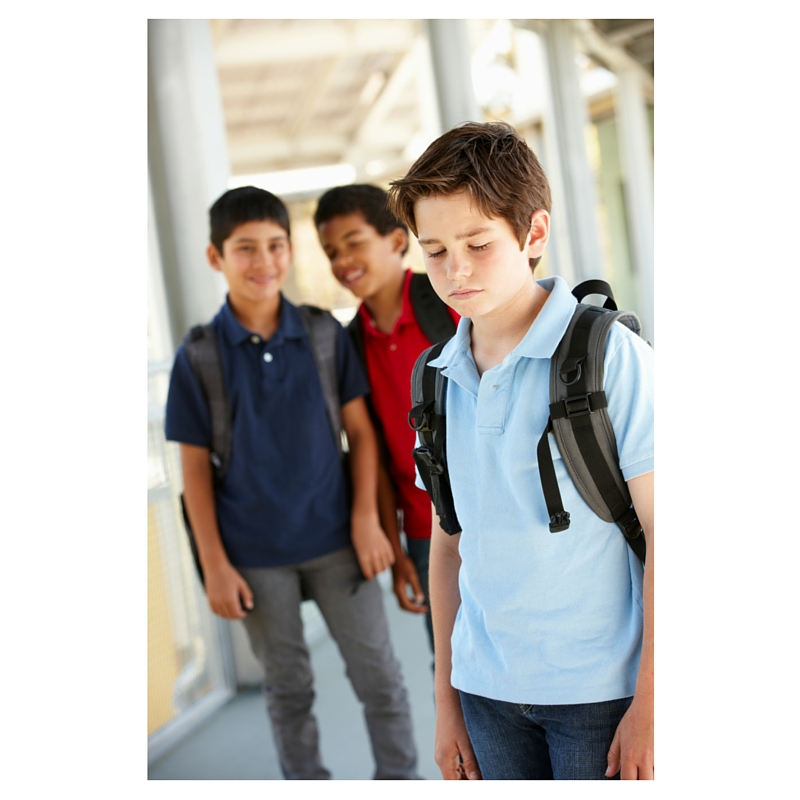
Threatening isn’t bullying—it’s criminal behavior that is against the law in any situation.
This is becoming more and more prevalent in our schools due to overcrowding, parents not monitoring their child’s school life for one reason or another and the overall moral decline of our nation. This is a good list of what to watch out for and actions to take if you believe your child is the victim of bullying.
Schools and districts take bullying a lot more seriously now than when we were in class, but unfortunately that doesn’t mean it has gone away. What has happened is there are now some actionable steps that will get results. If you find out your child is being bullied at school, here are the steps you should take.
· Support your child
It takes a lot of courage for them to come to you. Support their feelings about the incident and never suggest they could have done more or they should “toughen up”.
· Get as many details as possible
Reporting a bullying incident requires specifics. Names, dates, times, locations, and what was said/done are all needed. If there were witnesses, get their information as well.
· If a threat was made, contact the police
Threatening isn’t bullying—it’s criminal behavior that is against the law in any situation.
· Research the school’s anti-bullying policy
It might have been bad behavior, but the incident might not fit the definition of bullying.
· Cyberbullying
If the bullying is occurring online, make sure cyberbullying is covered in the school’s policy. It might not be. If not, most states now have legislation regarding online bullying. If that’s the case, the police need to be notified.
· Contact school personnel
Severity and regularity dictate who you talk to. One time, minor offense? The teacher is probably fine. Anything more than that, make an appointment with the principal.
· Relay the information calmly
No matter how angry you might be, you’ll be much more likely to be able to work with the school if you come off as rational.
· Work together to come up with a plan
There should be specific steps that everyone involved need to accomplish after the meeting is concluded. Write these down and confirm after the meeting. Everyone, especially the school personnel, need to be held accountable.
· Follow up
A lot of parents don’t ask for updates from their child. Give it about a week and ask what has happened. Also, if you haven’t heard from the school, now is the time to make sure they are doing their part.
· If bullying continues, move up the chain of command
Most districts have administration-level personnel that are responsible for anti-bullying steps. If yours doesn’t, the superintendent is the next step. Copy the principal on all correspondence.
If the district is ineffective, file charges with the police and the school board.
Have you ever wanted to write a letter to your child’s teacher and tell them how to help your child better or to just tell them off? Or maybe you have. Here is a great letter from an experienced, passionate educator to his students. This is an insightful look into a teachers response and thoughts how best to help his students help him. Very enlightening!
Every fall, I am struck by a profound sense of responsibility as parents drop their children off in my
classroom. Humbled by the mixture of faith and fear inherent in that moment, I meet moms and dads who hope that I will hold their children close, appreciate their unique traits, and help them inhabit their potential. Parents of unconventional learners have come to me with stories that have left them and their child in a state of academic PTSD. These parents count on me to invest in their children enough so that I can celebrate their abilities, understand their struggles, and, in some cases, help heal their childrens' school-based wounds.
However, even with the best intentions, I will occasionally move too fast, expect too much, miss a cue, drop a ball. I might even do all of those things with the same child (I really hope not). This is a hard truth to accept, particularly because I pride myself on being an educator who advocates for students with different learning profiles.
Over the past month, a trend has developed in social media. I refer to it as the "Dear Teacher Movement." Children with learning challenges, particularly dyslexia, have taken to the internet to
share letters they have written to their new teachers, communicating their hopes and dreams for the upcoming school year. In these poignant and frequently unsettling appeals, students wish to remind teachers they are trying (even when it may not look like that); that they are smart and capable (even if they struggle with certain skills); and that they have high aspirations for their own learning (which they hope their teachers will share). Implied in these letters are previous teacher failures that prompted students to share in this way.
Teaching is complex. We try hard to get it right, but sometimes we fail. Even with more than twenty-five years of teaching experience, I still have blindspots. I hope that my students know that I am not judging their potential by their spelling or speed, or confusing their school struggles with lack of effort. However, learning disabilities like dyslexia can make assessing a student's ability and effort more difficult. Often, I need my students' feedback to help me determine how to best meet their learning needs. This fall, inspired by the Dear Teacher letters, I decided to write a different kind of letter to my students at the launch of the school year.
Dear Student,
I am honored and thrilled to be your 5th grade teacher this year. I take my job very seriously, but despite my great effort and my good intentions, I sometimes fumble. Here are a few things that you should know.
1. I was not a perfect student and I don't expect you to be.
2. We all learn differently. This year I hope you will help me understand how you learn best.
3. Spelling well and reading fast make learning easier, but they have nothing to do with intelligence. I will help you become better spellers and readers, but intelligence is much more complex. Some of the best thinkers struggled with school skills. Please don't get discouraged if some skills are hard for you. It does not mean that you are stupid (at all). This year we will try to identify some strategies to make school work less frustrating.
4. Tell me if you are struggling. Effort can often be invisible. I wish I had a crystal ball, but I don't. Let me know if I assign something that feels overwhelming. That way, we can create effective supports or craft a workaround plan together.
5. Sometimes I go too fast. I get too excited or ambitious or impatient. When I do, remind me to slow down. Everyone in the class will appreciate it, including me.
6. I look forward to finding out what gets you up in the morning (besides your alarm). What are your dreams inside and outside of school? Let's try to connect them. That is where you will find the joy in learning.
Finally, sometimes school may not be easy, but it should never be miserable. Please don't suffer in silence.
Sincerely,
Kyle Redford
After reading this, how would you write to your child's teacher now? Any differences? Here at Athena, we know that children have different learning skills and vastly different learning styles. We do in depth analysis' to see exactly where they are at so we can help them the best. We come alongside your child's teachers to supplement and help them with what they are already learning. Our tutors ARE teachers and have experience in the struggles that all teachers (and students) face. Give us a call today and see how we can best help your child.
Continuing on with our subject of parents getting involved with their child's school, this is a timely article by our friends at Mom's Everyday. Being engaged with our children and their school life can have a huge impact in their learning, growing and just every aspect of their lives. It really is that important! Get involved.
We spend a lot of time getting our kids prepared for a successful experience in school. We send them to preschool, help with homework and sign them up for enriching experiences.
But there's one thing that not all parents do that can be just as important: getting involved in your child's school.
Research shows that communicating with teachers, being involved in the school work, volunteering and just being present at the school as much as you can is important to your child's success.
Parental involvement is also associated with fewer problem behaviors and better social skills
compared to children whose parents are not involved.
Here's some advice on how to get involved:
First, initiate contact with your child's teacher early in the year. If you pick your child up from school, make it a point to touch base with the teacher occasionally. But don't try to have a meeting in the parking lot.
Ask if there are opportunities to volunteer in the classroom or at school events, and attend those school events whenever possible.
Maintain a consistent homework routine. Check in with your child daily regarding school work and be available to help with homework.
It can be difficult to make homework a priority with busy schedules and sports, but it shouldn't be the last thing you try to cram in at the end of the day.
This is another great way to interact with your children and show them that you are involved and care about them....and keeping an eye on them! ;) Read on for tips to keep in mind for this important event.
Back to School Night really is a great event to get everyone on the same page and help start the school year off right.
The start of the school year is sneaking up on us. Before you know it, Back to School Night will be popping up on our calendars. Here is a checklist to make sure you meet all of your goals for the event while not overstepping.
· Bring your child
Students spend more of their time in school than they do with you. Bringing them to BTS gives them an opportunity to show off their “other world”. Besides, it’s entertaining to watch them act shy in front of you and their friends.
· Collect information about the PTA/PTO and upcoming events
Yes, you’re on the email list and the Facebook group. It doesn’t hurt to take some hard copies
of any relevant information, especially about
upcoming events. Put them up on the refrigerator.
· Introduce yourself to the principal
You may never see the principal but for Back to School, but it can’t hurt to show you are engaged with the school community. You never know when you’ll need to call him or her for something important.
· Learn about this year’s curriculum
Curricula has changed a lot in the past few years, not to mention since we were in school. Take time to flip through the textbooks (if they’re still being used) and ask the teacher(s) content-based questions.
· Ask about technology
Also ask about any technology needs your child might have for the class. There might be special apps to download or websites they might need to join.
· Do not discuss your child in specifics
Introduce yourself nicely so the teacher(s) can put a face to the name, but don’t take up the time of the other parents by trying to talk about your child in specifics. If you want to talk specifically about your child, send an email or schedule a conference.
· Make sure to ask when conferences will be held (or how to schedule one)
Speaking of which, some schools have designated times of the year for mandatory
conferences. Others rely on the parents to make appointments.
Make sure you know how to take advantage of your first opportunity to talk
“business” with your child’s teacher(s).
Back to School Night really is a great event to get everyone on the same page and help start the school year off right. Afterwards, everyone should be working toward the common goal of student success.
The web is loaded with landmines for our children and it’s up to us as parents to, not only steer our kids around them, but to make them aware of the dangers out there. Here’s 3 to watch out for.
The Information Era has dramatically changed the way we educate our children. We live in a world of rapid change and the resemblance to yesterday is fleeting. Above all, communication has changed, and an enormous variety of information is now accessible to almost everyone at the click of a mouse or swipe of a finger.
From the accessibility of online learning to students who otherwise would struggle in traditional settings to assistive technology for students with autism, there are lots of great technologies that teachers need to keep track of to be effective.
However, it is not just important to know which technologies will assist in the education of students, but to watch out for certain disturbing trends that have arisen as a result of the availability of these new technologies. Here are just three of those trends:
1. Texting and awful grammar in K-12 schools.
Internet and cell phone cultures have brought a whole new meaning to American slang. Not only are kids these days speaking informally, but now those relaxed rules of grammar are sneaking into written words too.
The biggest problem with these digital avenues of composition, according to surveyed teachers, is the blurring of lines between formal and informal writing. Abbreviations are common, particularly on platforms like Twitter that have a 140-character limit. Most smartphones now have no limits on texting characters, but students that owned phones with the 160-character limits of just a few years ago have already formed short, abbreviated habits. In the digital realm, short and sweet is the key - even if grammar, punctuation and writing formalities fall by the wayside. The same is not true of educational writing pursuits though, as K-12 writing instructors must prepare students for the demands of strong, professional writing in college and the workplace.
A report released by the Partnership for 21st Century Skills found that over 26 percent of college graduates have deficient writing skills. These findings were not based on graduation assessment exams, but compiled by interviewing actual employers. These employers said that many college-educated employees could not even accomplish the basic writing tasks of the job proficiently. How are these students earning college degrees if their writing is not up to par though? With the average U.S. student accruing $35,200 in college debt, it would seem learning the basics of writing, at least above a "deficient" level, would be a given takeaway.
2. Sexting and sexual harassment.
Today, sexual harassment between students is even more widespread because of the viral nature of
the internet and sexting. A photo that a young man sends his latest crush can quickly become fodder for a school-wide joke when it appears on a social media account or is texted to a large group of other students. It is also much harder for students to get away from harassment because their school lives follow them more closely than ever outside classroom hours, due to technology. It is also difficult to know where a school's jurisdiction ends when it comes to harassment between students that takes place outside of school hours.
The problem of sexual harassment in schools is persistent. Schools can act more responsibly on the issue by formulating proper and specific sexual harassment policies and providing special training programs for teachers, students and other administrative staff. Seeking the support of parents is also beneficial. The challenges around implementing sexual harassment policies are made even more difficult because students shy away from reporting incidents, for fear of suffering additional consequences or being ridiculed. The solution is to create a safe environment in the school so that such instances of harassments simply do not take place and the students feel secure, although this is often easier said than done.
3. Cyber bullying.
VoicED.org.uk, a poll of 2000 11-16 year olds found that almost three in five (57%) have done something 'risky' or anti-social while online. In addition, almost two in three (62%) said that they felt under pressure from peers to act in this way on the internet.
According to an article published on
The activities described included saying negative things about other people, viewing unsuitable websites and, perhaps most worryingly, sharing unsuitable videos or pictures of themselves. Moreover, a fifth of those surveyed admitted to having pressured someone else to act in a negative way online (this rose to 32% in London).
Of the 2000 respondents, almost half (47%) said that they had viewed something on the internet that they did not think their parents would want them to view, whilst around one in seven (14%) said they had sent images of either themselves, or of someone else, that they did not think their parents would want them to send.
A tenth had signed up to online sites or services which were not meant to be viewed by their age group.
In terms of cyber-bullying, almost three quarters (72%) of respondents aged 14-16 had witnessed
some form of online bullying, or had been subjected to it. While this is a bleak statistic, there are positive signs. Three quarters had blocked another user of an app or on a website, two thirds (68%) had supported someone else who had suffered cyber-bullying and 74% had 'stood up for themselves.'
Classrooms are becoming more high-tech, and a lot of innovation has come from that. However, it is important to keep in mind how these new technologies influence disruptive behaviors.
How we, as teachers present the educational experience to our students is so vitally important. It can greatly affect how they view learning as a whole. We can create a vibrant, engaging, fun learning environment with a little effort and a lot of creativity. Read on to learn a couple neat ideas brought to you by our friends at Edutopia.
My daughter Sadie-Belle just had her birthday, and as tradition demands in our family, we must decorate her door with crepe paper, balloons, and candy before she wakes up that day. The difficulty this year was that we were visiting her sister in Missouri, and the birthday girl was sleeping on an air mattress in the front room.
One of my other creative daughters found a way around this. She found a foam presentation board, drew a door on it, and wrote, "Happy Birthday Sadie!" We put all the candy on this and laid it beside her air mattress. We then decorated the archway into the kitchen with strands of crepe paper and balloons to satisfy the tradition.
The power of this tradition is that every time anyone, especially the birthday child, goes through the decorated door into the room, they have to remember that this is a special day.
Putting a Fun Spin on Pre-Testing
Imagine something similar at school. Start the school year with a party -- a celebration of learning, as teacher and education writer Harry Wong suggests. As every elementary teacher can tell you, enticing student participation often depends on what kind of spin you put on the learning activity.
Envision students that are enthusiastically engaged in discovering how much they know as they take a
diagnostic of some sort -- on paper or via computers or tablets. Rather than a "testing day," students realize that it's a special occasion because the room is decorated with crepe paper and balloons, and they are given party hats. Some unimaginative folk might call this assessment a simple pre-test, but in fact it's a great opportunity to bolster and build a child's academic future.
Why Diagnostic Testing Matters
Blended learning tools can make this an easy and enjoyable experience for the student and the teacher, rather than a nonessential chore that is often skipped in the course of learning. If the students have tablets, the teacher can possibly send each student a knowledge and skills test that will preview what the students will be learning this semester. Most textbook companies include diagnostic testing with their textbooks and curriculum resources. Teachers can also utilize the commercial diagnostic tools to which many school districts already subscribe.
Having a pre-test party is only part of the celebration. The most important element of the fiesta is providing individual feedback by taking the time to show each student what he or she has already learned and mastered, and then giving the student a preview of the learning during the coming semester or course.
It's so incredibly important to establish a baseline for each student at the beginning of the year. How can we expect to be successful in inspiring learning if we don't know what our students already know and where the gaps in their learning might be? How do we know if they have learned anything from all our effort in creating engaging learning environments and activities unless we determine what they know to begin with?
A teacher must find the answers to these questions, and this has to happen the first days of school. And as Harry Wong convincingly suggests, it should be a celebration.
Pep Talk Follow Up
It seems obvious, but when a teacher takes the time to give a pep talk, explains why the students should try
their best, and shows confidence in their ability to overcome difficulty, students are more apt to be resilient and persistent when learning gets more difficult. The conversation that follows the pre-test is a perfect time to give those one-on-one pep talks. As education expert Carol Dweck reminds us, learning is hard work, and even gifted students need encouragement.
Not only can we prep students for success with pep talks, but with the information gathered from each student, we can design custom learning plans to help them accelerate their own learning -- and fill in gaps where incomplete learning has occurred.
In what ways do you assess, encourage, and prepare students at the start of the year for their upcoming learning? Please share your thoughts and ideas in the comments section below.
Watching our little one climb on board that bus for the first day of school can be stressful and worrying. We try to calm their fears and put on our happy face while on the inside we are just as anxious as they are. These parents, the Dad works for the school district, decided to strap a GoPro to their little girl and give us an inside glimpse into how the first day looks to a kindergartner. An experience parents rarely get to see. The results will warm your heart. No wonder the video is going viral!
Unless you were born with that “early morning riser” gene,
most parents, and kids, would prefer to hit the snooze and get an extra hour or
so sleep in the morning. I usually moan and groan when the alarm goes off but
after a hot cup of joe and getting the blood flowing in my toes again, I’m
normally bright-eyed and bushy tailed, ready to tackle whatever life throws my
way. What about you? Do you agree with the findings in this article? Let us
know in the comments section. We’d love to hear your take or how you react to
the blaring of the alarm clock.
As
any teenager will mumble from beneath the covers on Monday mornings, it's
too early.
The
Centers for Disease Control and Prevention agrees.
In
a new report, the CDC says that middle and high schools in the country start too early. Five out of every six U.S.
middle and high schools start before 8:30 a.m., possibly leading to
insufficient time slept and academic struggles, and increases in health risks
and safety concerns.
"Getting
enough sleep is important for students' health, safety, and academic
performance," said Anne Wheaton, PhD., lead author and epidemiologist of
the CDC's Population Health division, in a press release. "Early school
start times, however, are preventing many adolescents from getting the sleep
they need."
students don't get that recommended amount, a statistic that's been
steady since 2007. As puberty sets in, adolescents experience a later release
of melatonin and an altered sleep drive that indicates "the average
teenager in today's society has difficulty falling asleep before 11:00 p.m. and
is best suited to wake at 8:00 a.m. or later." But with such early start
times, schools are making those precious eight to nine hours all the more
elusive. (Especially problematic for
Only
two states—Alaska and North Dakota—start after the recommended 8:30 a.m. start
time, LiveScience found. Iowa, Minnesota, and Florida
all have the next latest starting times sometime after 8:15 a.m. Louisiana has
the earliest average start time (7:40 a.m.) followed by Delaware, Connecticut,
New Hampshire, and Mississippi. Approximately 43 percent of the more than
18,000 public high schools in the U.S. start before 8 a.m., according to the American Academy of Pediatrics. Schools in
suburban areas tend to start the earliest, at 7:51 a.m. on average, the 2012 Schools and Staffing Survey found, while
schools within cities start an average of 14 minutes later. Some schools have
even seen start times moved earlier in recent years.
Too
little sleep has been proven in studies to lead to an increased prevalence of
anxiety and mood disorders, use of stimulants (coffee, for example), drowsy
driving-related crashes, and subsequent risk of cardiovascular diseases and
metabolic dysfunction. By starting later, studies have shown students' academic achievement
improving, less absences, and better end-of-year test scores.
But
changing the beginning of the school day can affect other aspects of life.
School athletics, student jobs, and family schedules all top the list of
barriers that would need to be adjusted for later school times,
according to a 2011 Brookings Institution report. But the same report suggests
that the positive effects of later start times on students' health could lead
to improved achievement, and thus, future economic gains.
Related
article:
So
what do you think? Are kids getting enough sleep these days? Are parents? How
do you react to the dream shattering tones of an early morning alarm clock? Let
us know! Keep up with us on Facebook







 Putting a Fun Spin on Pre-Testing


